
How to Optimize ICF Structures as a System
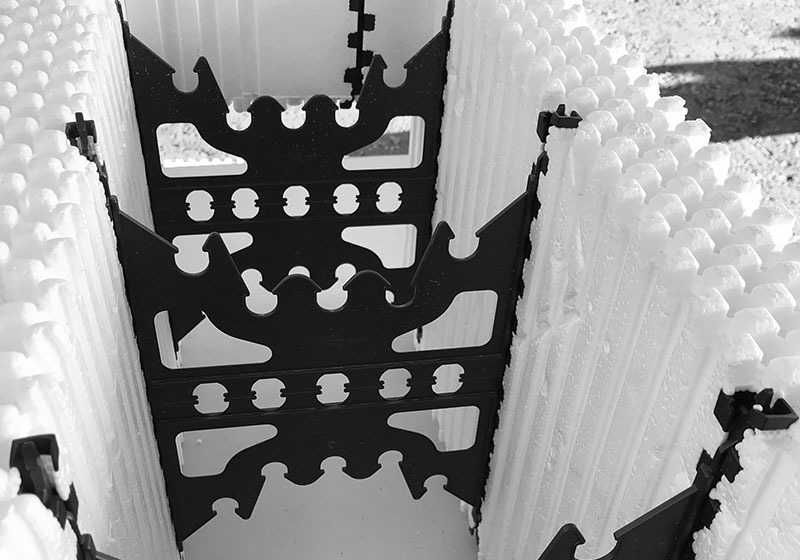
Insulated concrete form (ICF) construction offers energy efficiency, fire resilience, and structural performance in earthquakes and high wind. Achieving the full benefit of an ICF system, however, requires more than selecting a wall form or following a prescriptive detail. I optimize an ICF structure by treating the building as a system and making coordinated decisions across structural design, concrete mix design, reinforcement and detailing, and constructability. Continue reading →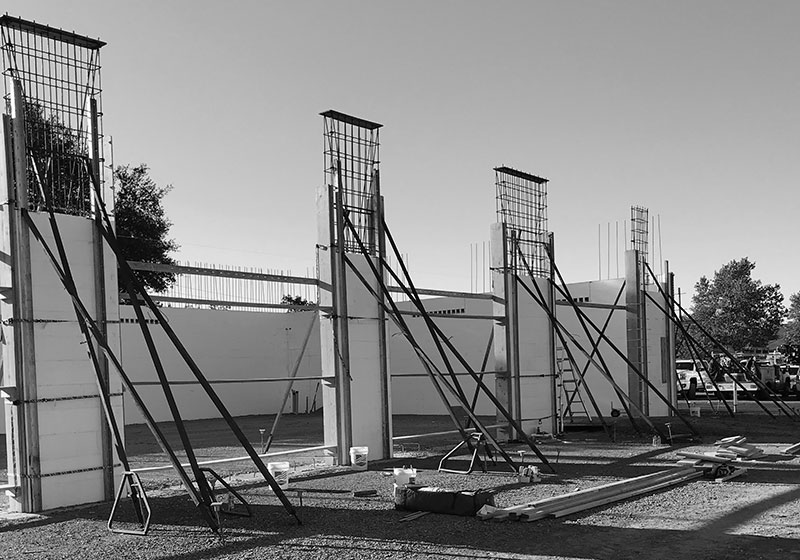
Embodied Carbon in Concrete: Retaining Wall & ICF Case Studies
Many of the decisions behind embodied carbon in concrete are made during design: how the structure is modeled, how large each element is, what strength the mix requires, and how much reinforcing steel is specified. When these decisions are optimized, cost, carbon, and construction effort drop together. Continue reading →
How Insulated Concrete Forms (ICFs) Are Defining the Future for Climate Resilient Design
Wildfire seasons are longer. Insurance requirements are stricter. Building codes are evolving toward low carbon, high performance energy design. In this landscape, I see a growing responsibility for engineers to lead in safety and in sustainability. At EA Structural Engineering, my focus is to help clients, architects, developers, and builders create durable, fire resilient, energy efficient structures aligned with climate conscious construction goals. Continue reading →
Old is New Again: Pozzolans Lead the Future of Low Carbon Concrete
Concrete is the most widely used building material in the world, and its primary ingredient, cement, is responsible for a significant share of global CO₂ emissions. These emissions arise both from fossil fuel combustion and the chemical release of carbon during limestone calcination. In the pursuit of low carbon concrete, there is ongoing discussion and practice around new and innovative materials to solve this problem. Continue reading →